Thanks for submitting!
You will be contacted as soon as possible


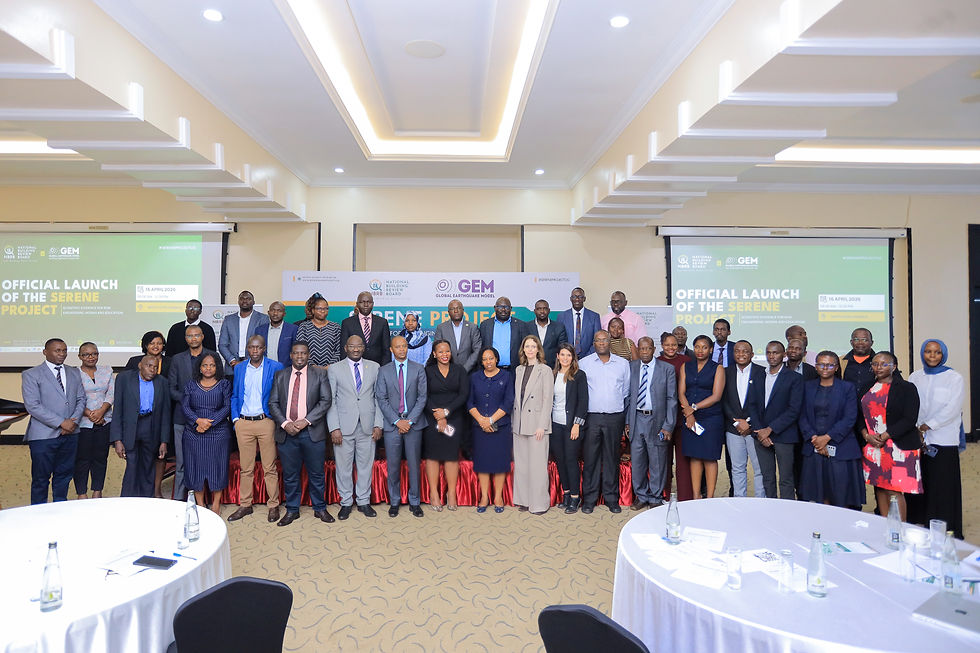
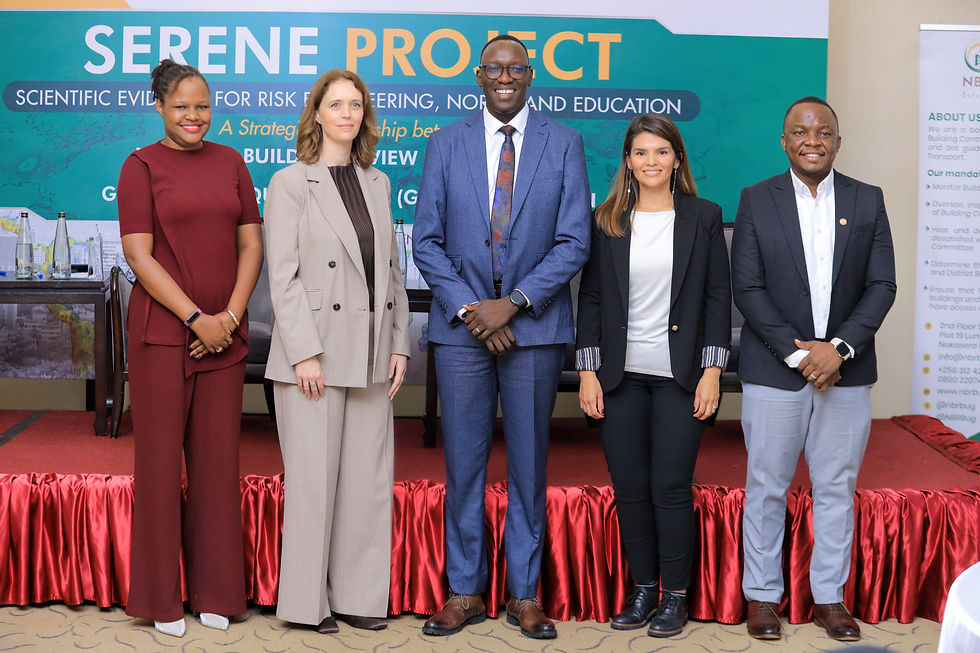
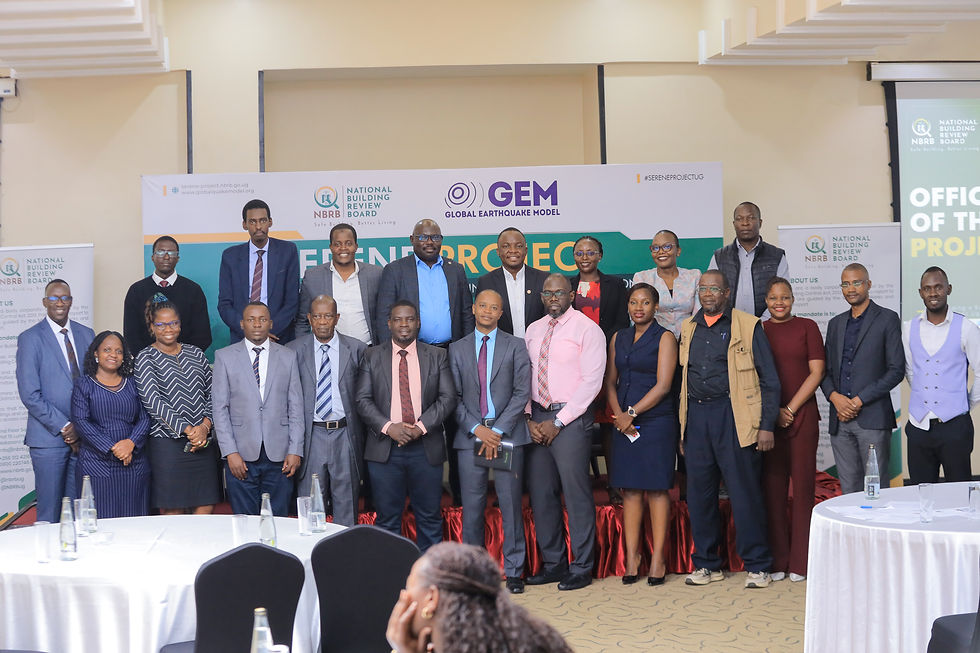
Uganda officially launched the SERENE Project on April 16, 2026 in Kampala, marking the start of a partnership between the National Building Review Board (NBRB) and the Global Earthquake Model (GEM) Foundation aimed at strengthening the country’s scientific basis for seismic safety, building standards and disaster preparedness. The launch event, held at the Mestil Hotel, brought together the Minister of Works and Transport, Gen. Edward Katumba Wamala, NBRB Executive Secretary, Eng. Flavia Gutto Bwire, technical experts and partner institutions.




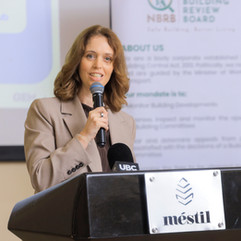
SERENE, which stands for Scientific Evidence for Risk Engineering, Norms and Education, is designed to support Uganda’s resilience through science, regulation and risk-informed planning. In remarks highlighted around the launch, Helen Crowley, GEM’s Secretary General, said the project will support the development of a national seismic hazard map, improved exposure models, and Uganda’s first national seismic risk map in terms of economic loss. Those outputs are intended to inform future updates to engineering practice, physical development planning and disaster preparedness policy.
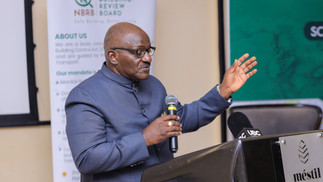
The project comes at a time when Uganda is facing rapid urbanisation, rising investment in the built environment and continuing concerns about unsafe and non-compliant structures. At the launch, Gen. Katumba said the initiative would support the government’s effort to restore order in the construction sector and protect lives. “We are seeing a lot of developments coming up, but many are not compliant with the law,” he said, adding that infrastructure growth must be guided by proper planning, approved designs and adherence to building codes.
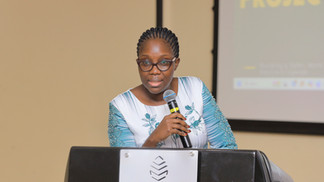
Engr. Bwire similarly framed the project as a move toward prevention and better-informed action. “We continue to register buildings that are constructed without approvals or without following the required standards,” she said. “SERENE will give us the scientific evidence to better understand these risks and take informed action.” She added: “This is about ensuring that what we build today does not become a disaster tomorrow.”
From GEM’s perspective, the initiative is significant not only for its technical scope, but also because it marks the foundation’s first national-level partnership in Sub-Saharan Africa. Helen described the event as more than a project launch, calling it “the start of a long-term effort to strengthen the evidence, institutions and practice needed for safer development in Uganda.” She also stressed that the work will combine global experience and tools with Ugandan institutions and expertise.




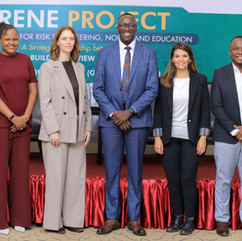

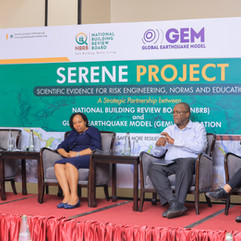
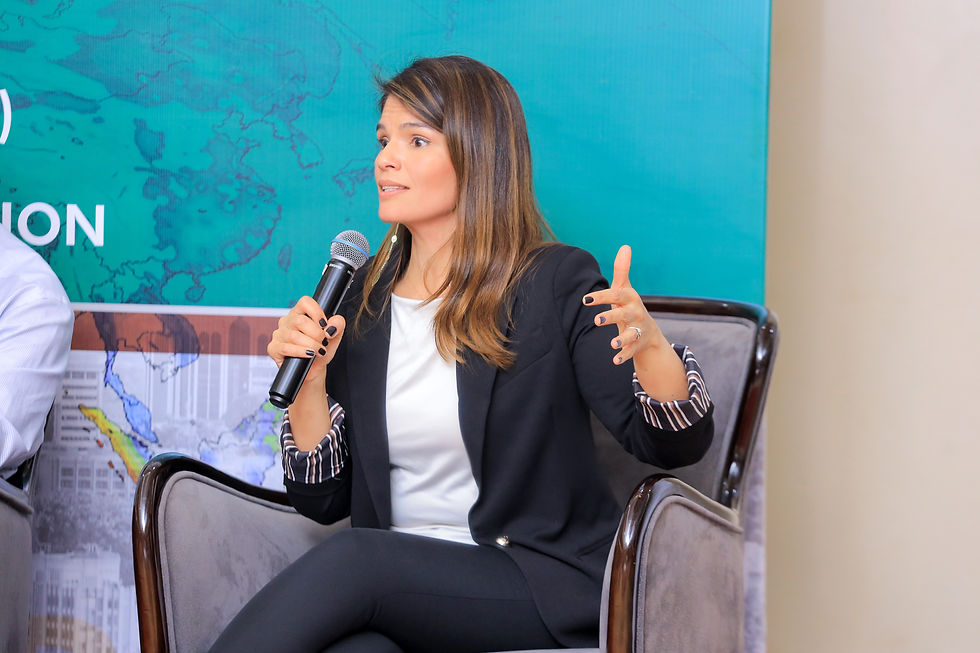
GEM’s contribution to the launch also extended beyond the opening session. Catalina Yepes Estrada, GEM’s Exposure Development Lead, took part in a partner reflection and panel discussion on “The State of Hazard Vulnerability in Uganda,” reinforcing the project’s emphasis on linking scientific expertise with national dialogue on risk, resilience and safer development. The partnership also reflects a deepening institutional relationship between the two organisations, with NBRB having joined GEM’s Governing Board in late 2025.
Related links and sources:
No images found.
GALLERY
VIDEO

RELATED CONTENTS
